
Oxford Street’s Sleeping Giant Is Waking Up - And The Market Is Taking Notice
With 16 bidders reportedly competing for retail space at the former House of Fraser department store, Studio PDP’s ambitious reinvention of 318 Oxford Street offers a glimpse into the future of London’s most famous shopping destination.
Sixteen bidders. A 28% increase in retail spending. A 42% surge in international visitors. Oxford Street’s long-awaited renaissance is gathering pace.
Last week, Mayor of London Sadiq Khan celebrated the early success of Oxford Street’s pedestrianisation, highlighting renewed commercial confidence in one of the world’s most recognisable shopping destinations.
Figures released by City Hall following the first week of pedestrianisation between Orchard Street and Great Portland Street revealed a 16% increase in footfall, a 28% rise in spending and a 19% increase in in-store transactions compared with the equivalent period last year.
Perhaps one of the most compelling indications of renewed commercial appetite, however, is emerging from one of the street’s most iconic buildings.
As reported by The Times on 13 November, 16 bidders are competing for 42,000 sq ft of retail space at 318 Oxford Street, the former D H Evans and House of Fraser department store, now being transformed by architecture practice Studio PDP into a landmark mixed-use destination known as The Elephant.
While pedestrianisation is transforming the experience at street level, Studio PDP has been unlocking the extraordinary commercial, architectural and environmental value of one of the buildings that defines it.
Reinventing a London landmark
For decades, Oxford Street’s great department stores were the anchors of one of the world’s premier retail destinations. But as consumer habits evolved and traditional department store business models came under increasing pressure, the future of these vast buildings became less certain.
For developers and investors, the challenge has been how to reposition these assets for a new generation of occupiers without sacrificing the architectural qualities that made them so distinctive in the first place.
At The Elephant, Studio PDP has turned that challenge into an opportunity.
Rather than starting again, the practice has embraced the inherent qualities of the original 1930s Art Deco building. Its generous structural grid, substantial floorplates and distinctive architectural character have provided the foundations for an ambitious programme of adaptive reuse.
Through extensive structural reconfiguration, bold architectural interventions and carefully considered extensions, Studio PDP is creating a new mix of contemporary workspace, flagship retail, restaurants and leisure space, crowned by a rooftop dining destination offering exceptional panoramic views across the capital.
The ambition is to create a building that attracts people throughout the day and into the evening, extending its commercial appeal well beyond traditional retail hours and contributing to a more vibrant West End.
It is precisely the kind of diversification that could underpin Oxford Street’s long-term revival.
Where commercial ambition meets architectural ingenuity
Repositioning a building of this scale and complexity demands far more than a cosmetic refurbishment.
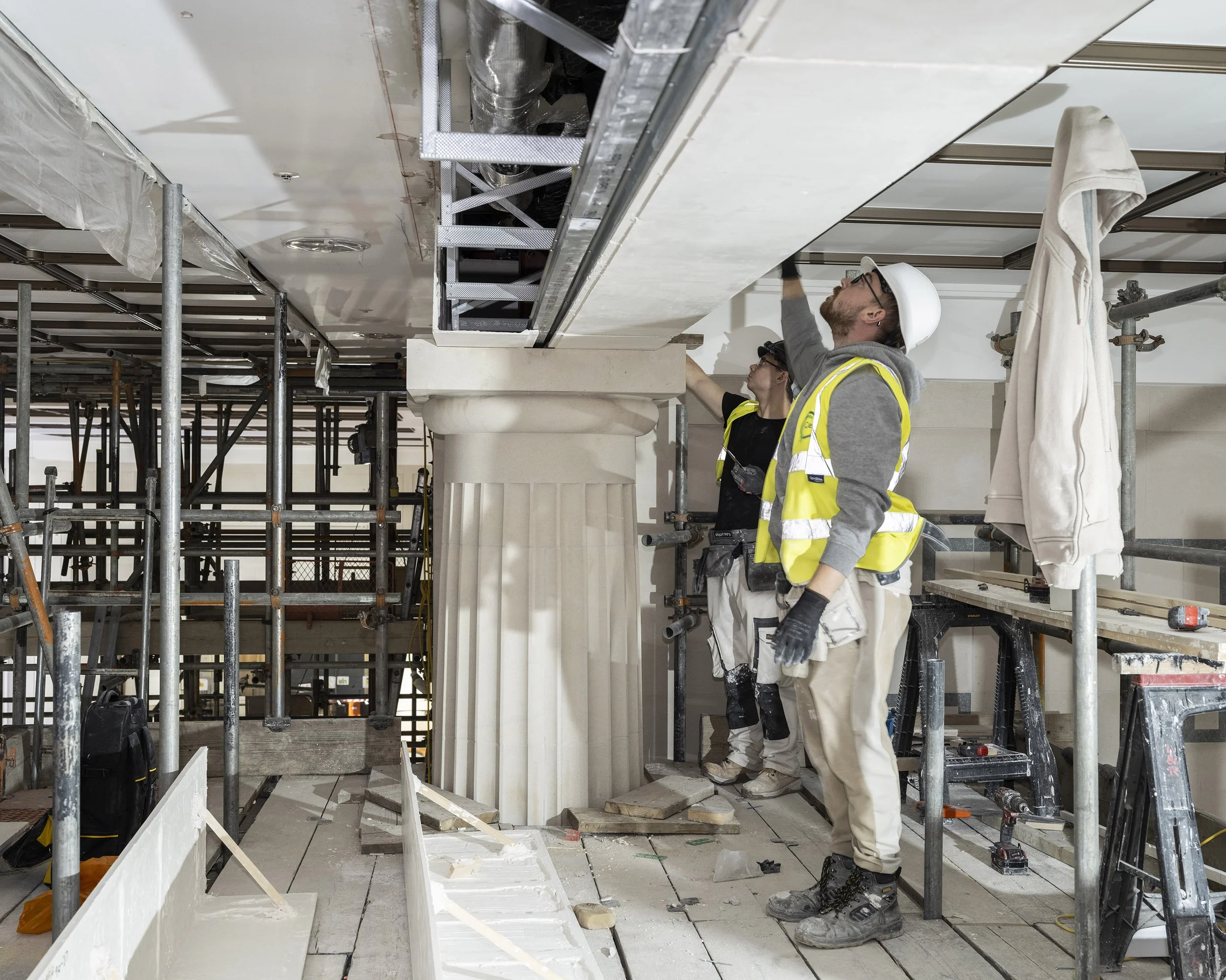
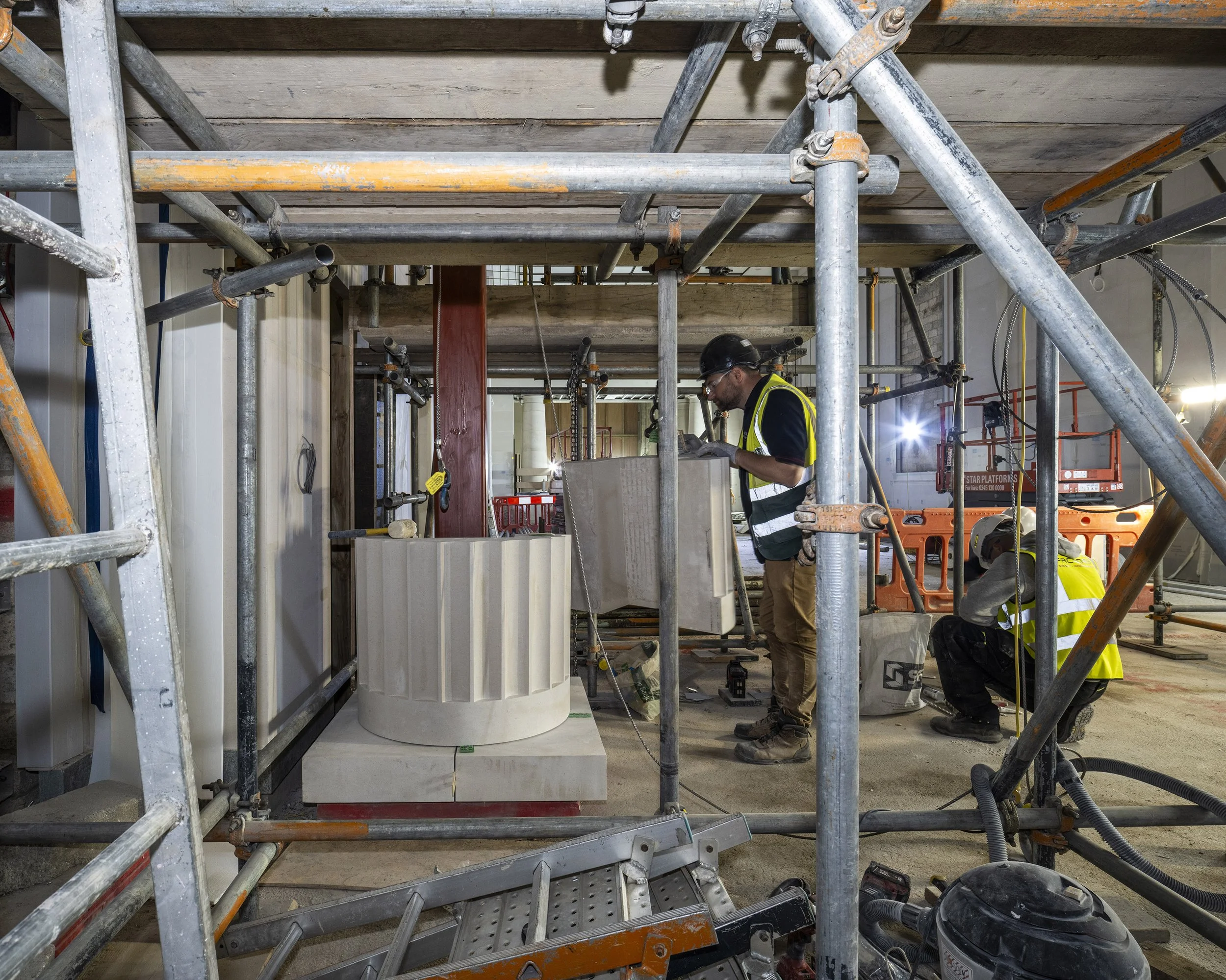
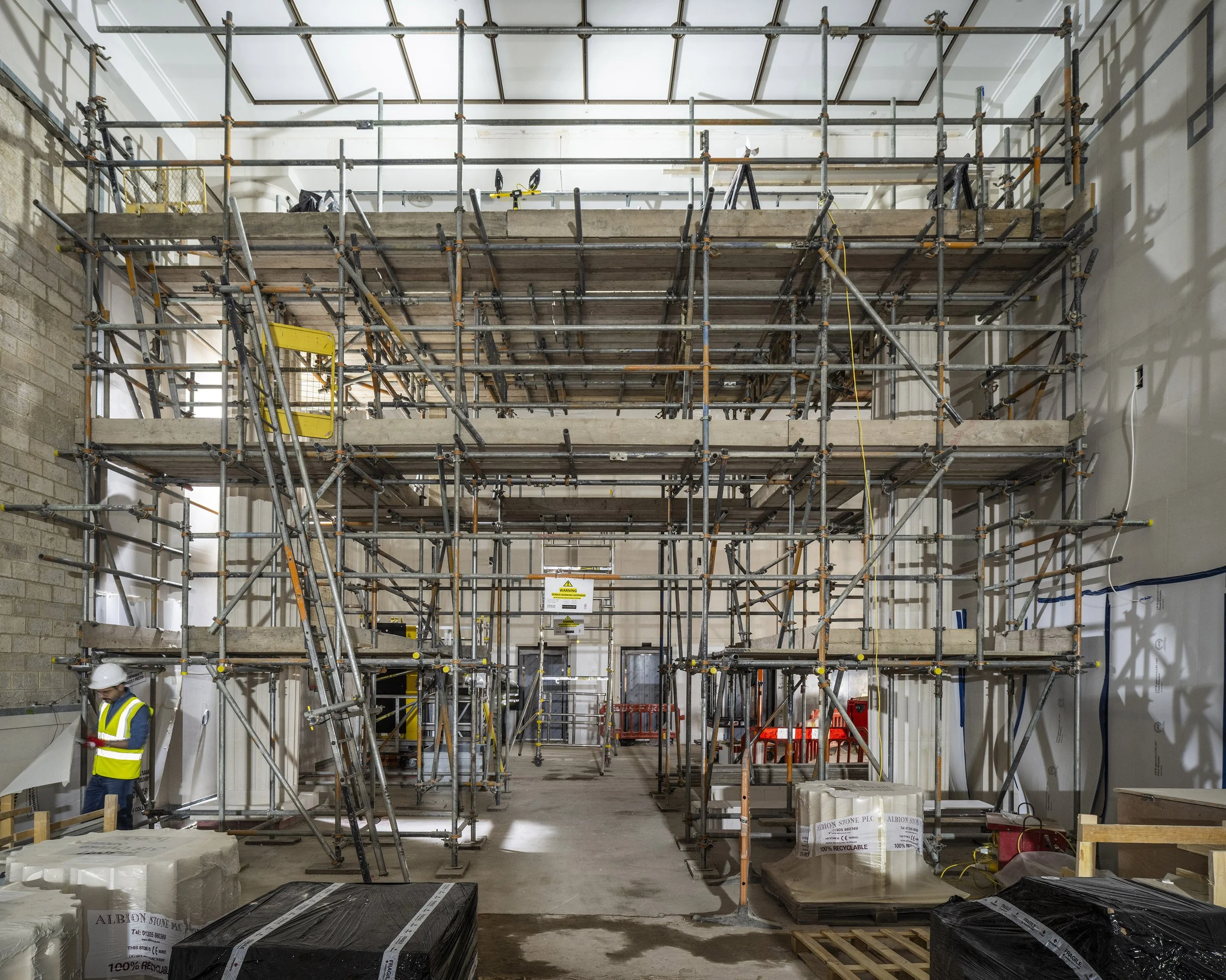
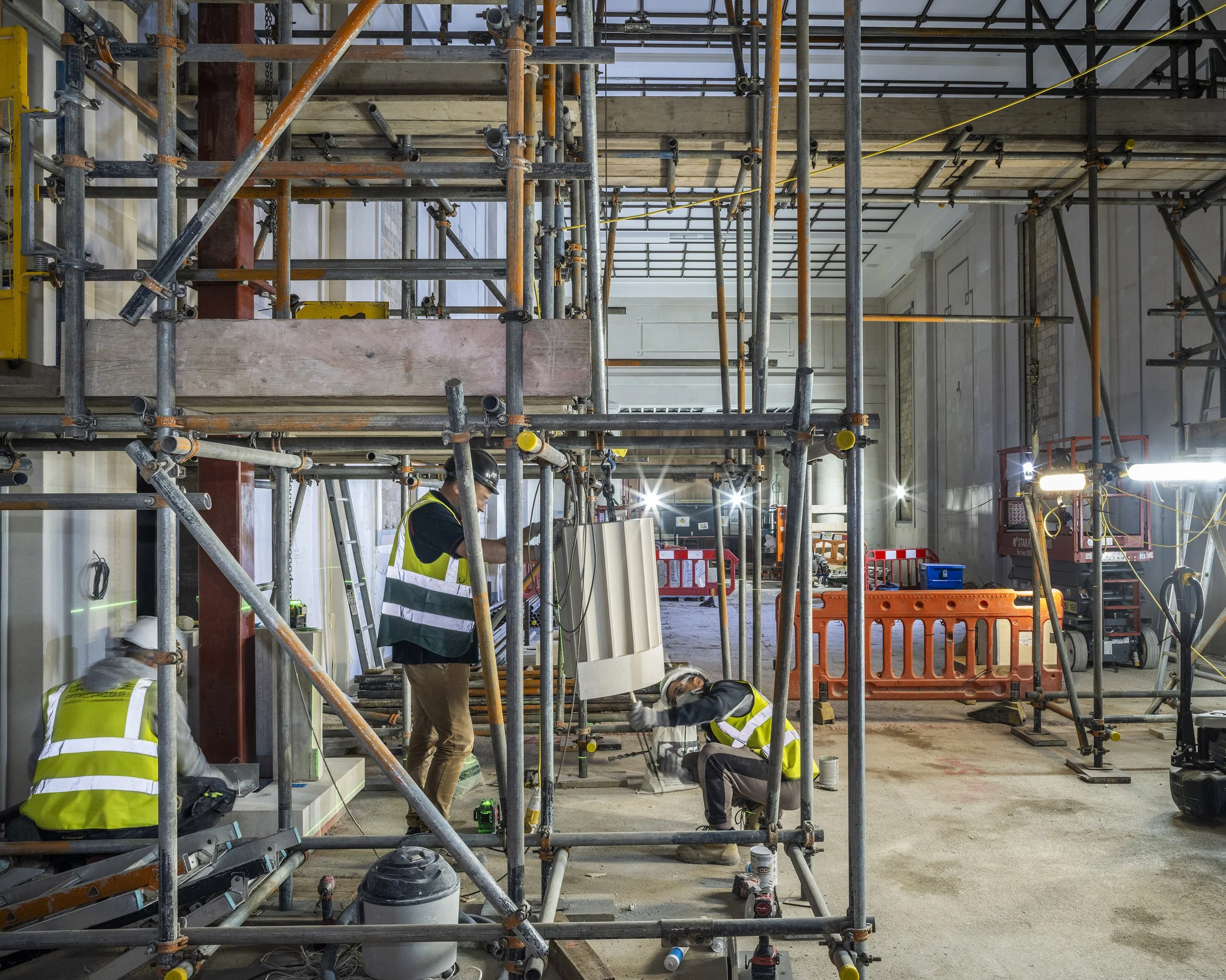
Studio PDP’s approach has been to retain the architectural gravitas of the original department store while introducing a contemporary design language that gives the building a distinctive new identity.
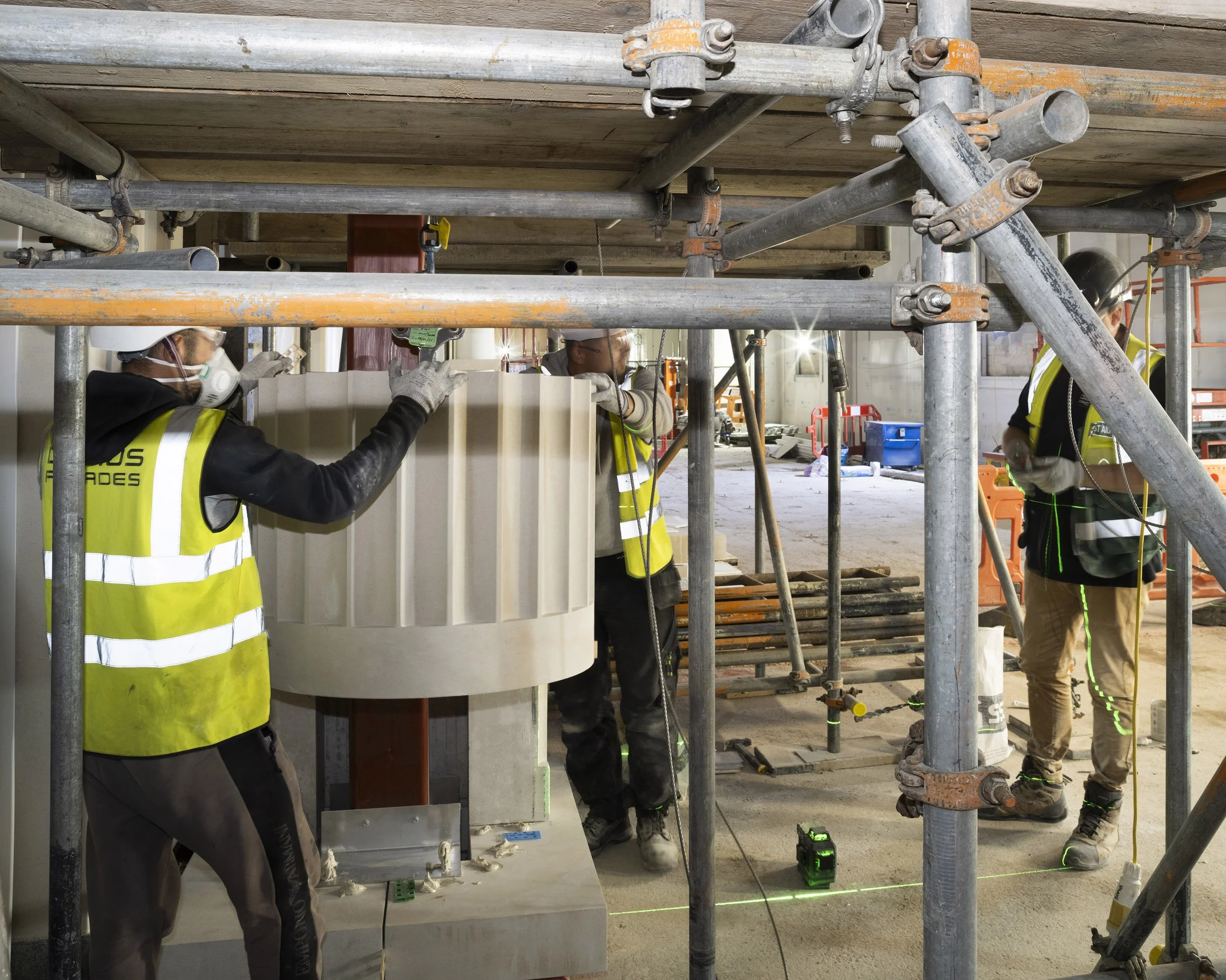
Among the most striking examples are the newly installed stone-clad columns, which reinterpret the classical Doric and Tuscan orders through contemporary design and construction techniques.
Each column comprises individually manufactured stone sections, weighing up to 320kg, assembled around an internal steel structure. Their intricate design, fabrication and installation bring together traditional craftsmanship and modern engineering.
These interventions reflect Studio PDP’s belief that working with historic buildings need not constrain architectural ambition. Instead, the dialogue between old and new can create spaces with a richness and character that would be difficult to replicate through new construction alone.
For occupiers competing for visibility in an increasingly experience-led commercial market, that architectural distinctiveness matters. The identity, character and experience of a building are increasingly important in attracting businesses, customers and talent.
Mining the city for its next generation of buildings
Some of the most pioneering work at The Elephant, however, will remain largely invisible to its future occupiers.
As part of an ambitious circular economy initiative, approximately 40 tonnes of pre-war structural steel have been recovered from the building for reuse at TBC.London, a separate commercial development. A further three tonnes have been reused within The Elephant itself.
This exemplary approach to urban mining demonstrates what can be achieved when circular economy principles inform the design and delivery of major commercial developments.
For an industry grappling with rising construction costs, embodied carbon targets and the environmental consequences of demolition, it offers a compelling alternative: treating existing buildings not as liabilities, but as valuable material banks for future development.
Alongside the extensive retention of its existing fabric, The Elephant is being transformed into an all-electric, fossil-fuel-free building, responding to the increasingly demanding environmental expectations of investors and occupiers.
For Studio PDP, sustainability is inseparable from the architectural and commercial ambitions of a project. It is fundamental to how existing buildings can be reimagined, repositioned and made relevant for future generations.
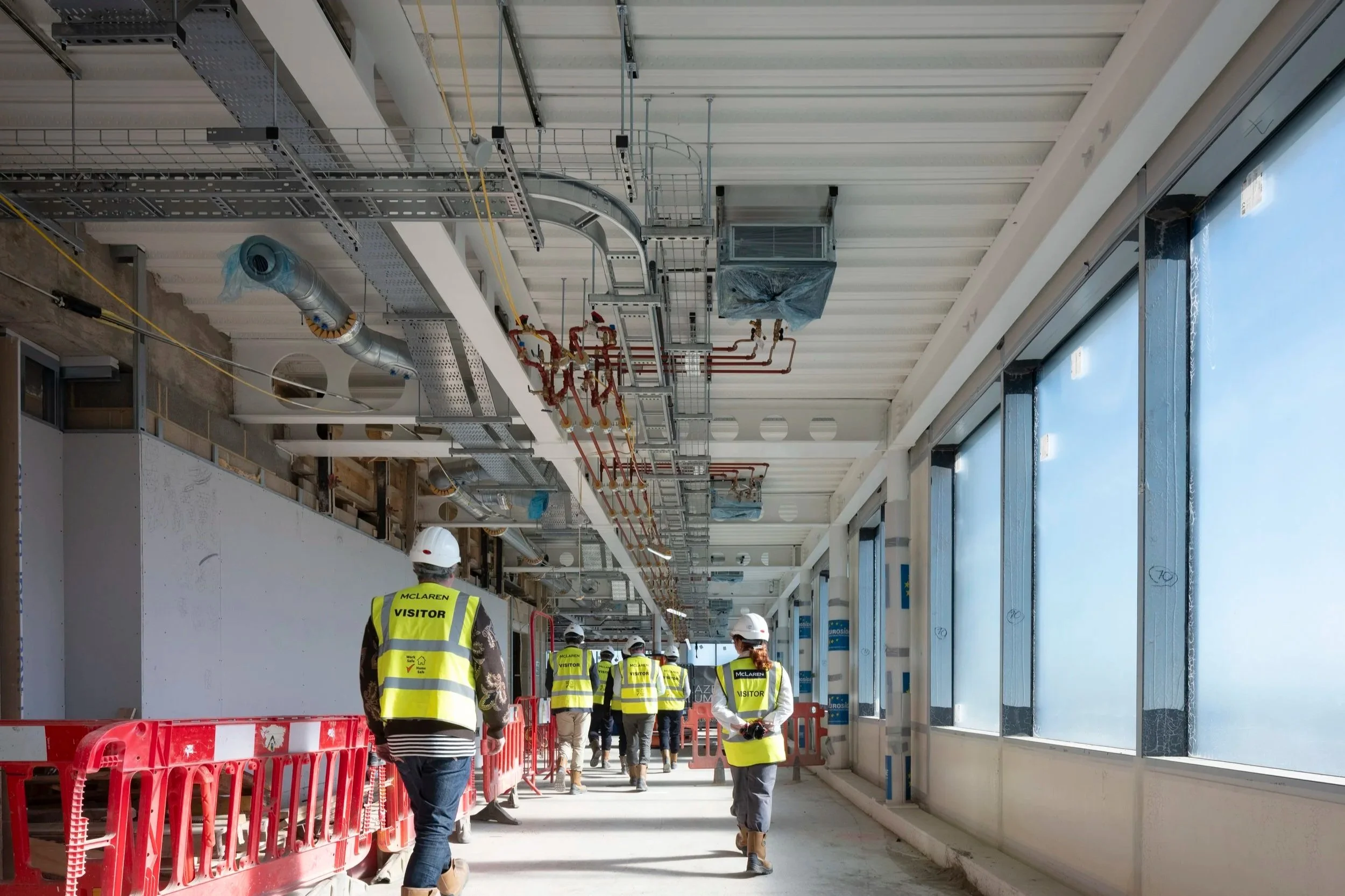
318 Oxford Street Site Tours 2026 - Anthony Coleman
Beyond pedestrianisation: The next chapter for Oxford Street
he Mayor’s ambitious vision for Oxford Street and the early success of pedestrianisation are encouraging signals for the West End’s property market. But the long-term revival of the street will require more than an improved public realm.
Its buildings must evolve too.
A more diverse mix of uses, distinctive architecture, experience-led destinations and environmentally responsible redevelopment will all play a role in restoring Oxford Street’s position as one of the world’s leading commercial destinations.
The reported competition for retail space at The Elephant suggests that the market is already recognising the potential of this transformation.
For Studio PDP, whose work across London’s historic estates has consistently explored the relationship between architectural heritage, sustainability and commercial value, The Elephant demonstrates the extraordinary potential of ambitious adaptive reuse at scale.
Almost a century after it first opened its doors, one of Oxford Street’s great department stores is preparing to welcome an entirely new generation of Londoners, international visitors and businesses.
The future of Oxford Street may well lie in the intelligent reinvention of the architecture it already has.
Oxford Street’s sleeping giant is no longer sleeping. And the market is taking notice.